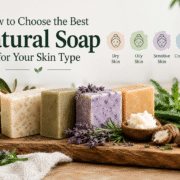
How to Choose the Best Natural Soap for Your Skin Type
Choosing the right soap is an important part of maintaining healthy, comfortable skin. With so many natural soaps available, finding the best option can feel overwhelming. Some soaps are designed to cleanse oily skin, while others focus on providing moisture to dry skin or offering a gentle cleansing experience for sensitive skin.
Natural soaps are popular among people looking for skincare products made with ingredients such as plant-based oils, botanical extracts, and naturally derived fragrances. However, not every natural soap works the same way for everyone. The right choice depends on your skin type, ingredient preferences, and how your skin responds after cleansing.
In this guide, we will explain how to choose the best natural soap for your skin type, which ingredients to look for, and what to consider when adding natural soap to your daily skincare routine.
Why Choose Natural Soap?
Natural soap can be an appealing alternative for people who want to pay closer attention to the ingredients in their skincare products. Depending on the formula, natural soaps may contain oils, butters, and other ingredients selected for their cleansing and moisturizing properties.
Here are a few reasons people choose natural soap:
- Ingredient awareness: Natural soaps may feature recognizable ingredients such as olive oil, coconut oil, shea butter, and botanical extracts.
- A moisturizing feel: Some formulas contain glycerin, a humectant that helps attract and retain moisture in the skin.
- A variety of options: Natural soaps are available in different formulations to suit different skin preferences.
- A thoughtful skincare routine: Choosing products based on your skin’s needs can help make everyday cleansing more comfortable.
Remember that the word “natural” does not automatically mean a product is hypoallergenic, irritation-free, or suitable for every skin type. The complete ingredient list matters more than the label alone.
1. Best Natural Soap for Dry Skin
Dry skin often feels tight, rough, or flaky, particularly after washing. If your skin tends to lose moisture easily, look for a gentle soap or cleanser that cleans without leaving your skin feeling excessively dry.
Ingredients to look for
- Shea butter: Helps soften the skin and supports its moisture barrier.
- Olive oil: Commonly used in soap formulations for a mild, conditioning feel.
- Glycerin: Helps attract moisture to the skin.
- Cocoa butter: Adds emollient properties to certain skincare formulations.
For dry skin, consider a soap formulated with moisturizing ingredients and avoid products that leave your skin feeling tight or uncomfortable. Fragrance-free options may also be helpful if dryness comes with irritation.
Skincare tip: Use lukewarm rather than hot water, keep showers relatively short, and apply a moisturizer immediately after bathing.
2. Best Natural Soap for Oily Skin
Oily skin produces excess sebum, which can leave the face or body looking shiny. The goal is to remove excess oil and everyday impurities without stripping the skin.
Ingredients to consider
- Tea tree oil: Used in some skincare products for its cleansing properties, but it can irritate sensitive skin.
- Aloe vera: Often included in formulas designed to provide a soothing skin feel.
- Glycerin: Helps support hydration without relying on heavy oils.
- Gentle cleansing ingredients: A mild, well-formulated cleanser can remove excess oil without aggressive scrubbing.
Avoid assuming that a soap with a high concentration of coconut oil or other oils will automatically be too heavy—or that a strongly drying soap is best for oily skin. The finished formula and your skin’s response are what matter.
Skincare tip: Avoid washing repeatedly throughout the day to remove shine. Over-cleansing can irritate the skin and make your routine harder to tolerate.
3. Best Natural Soap for Sensitive Skin
Sensitive skin may react to fragrance, essential oils, dyes, or certain botanical ingredients. Common signs include redness, itching, burning, and uncomfortable tightness after cleansing.
If you have sensitive skin, choosing a simple formula is often a good starting point.
Ingredients and features to look for
- Fragrance-free formulations: These reduce exposure to a common source of irritation.
- Glycerin: Helps attract moisture and may improve the feel of a cleansing product.
- Simple ingredient lists: Fewer unnecessary additives can make it easier to identify potential triggers.
- Gentle cleansing agents: Mild cleansers may be less irritating than traditional high-pH soaps for some people.
Keep in mind that essential oils and plant extracts can also trigger allergic reactions. A botanical ingredient is not automatically gentle simply because it comes from nature.
Skincare tip: Test a new product on a small area first and introduce it gradually. If you experience persistent burning, swelling, or a rash, stop using the product and seek medical advice when needed.
4. Best Natural Soap for Combination Skin
Combination skin typically has areas that become oily alongside areas that feel normal or dry. For example, the forehead and nose may feel greasy while the cheeks feel tight.
The best natural soap for combination skin should provide effective cleansing without leaving dry areas uncomfortable.
What to look for
- A balanced, gentle cleansing formula.
- Glycerin or other moisturizing ingredients.
- A formula that does not leave a heavy or greasy residue.
- Fragrance-free options if your skin is easily irritated.
You may also benefit from using different cleansing approaches for different areas of your face and body rather than expecting one soap to solve every concern.
Skincare tip: Pay attention to how your skin feels 10–15 minutes after cleansing. Persistent tightness or flaking may indicate that your cleanser is too harsh or that you need additional moisturization.
5. Best Natural Soap for Normal Skin
Normal skin generally feels comfortable without excessive oiliness or dryness. If this describes your skin, you have more flexibility when choosing a natural soap.
Ingredients worth considering
- Olive oil: Frequently used in traditional soapmaking.
- Shea butter: Adds conditioning properties to many formulations.
- Glycerin: Supports hydration.
- Mild botanical ingredients: Can offer a pleasant cleansing experience, provided they agree with your skin.
Choose a product based on how it feels, its ingredient list, and whether it suits your daily routine. You do not need an elaborate collection of soaps if one gentle product works well for you.
Skincare tip: Even if your skin is not particularly sensitive, avoid introducing several new skincare products at the same time. This makes it easier to identify what works for you.
6. How to Choose the Right Natural Soap Ingredients
Understanding common soap ingredients can help you make a more informed decision.
Olive oil
Olive oil is a traditional soapmaking ingredient. It contributes to the characteristics of the finished bar and is often associated with a conditioning feel.
Coconut oil
Coconut oil can contribute to cleansing and lather in soap. However, the amount used and the overall formulation influence how the finished product feels on your skin.
Shea butter
Shea butter is widely used in skincare for its emollient properties. In soap, it can contribute to the overall feel of the formulation.
Glycerin
Glycerin is a humectant that attracts water. It is found in many skincare products and may help support skin hydration.
Aloe vera
Aloe vera is commonly used in skincare products designed to provide a soothing feel. Its suitability depends on the formulation and your individual sensitivity.
Essential oils
Essential oils can add fragrance to natural soap, but they may irritate some skin types or cause allergic reactions. If you have sensitive skin, consider fragrance-free products rather than assuming essential oils are always beneficial.
Important: Traditional soap is usually alkaline, and some people—particularly those with very dry or sensitive skin—may tolerate a gentle, pH-balanced syndet cleanser better than a conventional soap bar.
7. Natural Soap vs. Commercial Soap: What Is the Difference?
The difference between natural soap and commercial cleansing products depends on their ingredients, manufacturing methods, and formulation.
Traditional natural soaps are often made by combining fats or oils with an alkali through a process called saponification. Commercial cleansers may use synthetic detergents, soap, or a combination of cleansing ingredients.
Neither category is automatically better for everyone.
When comparing products, consider:
- The full ingredient list.
- Whether the product contains fragrance or potential irritants.
- How your skin feels after washing.
- Whether the cleanser suits your face, hands, or body.
- The product’s directions and intended use.
A well-formulated commercial cleanser may be a better choice for some skin types, while others may prefer a traditional natural soap. Your skin’s comfort and tolerance should guide your decision.
8. Common Mistakes to Avoid When Choosing Natural Soap
Even products made with appealing ingredients may not be right for your skin. Avoid these common mistakes:
Choosing a product based only on the word “natural.”
Natural ingredients can still cause irritation or allergies. Read the full ingredient list.
Using the same soap for every skin concern.
Your face may need a gentler cleanser than your hands or body, especially if you experience dryness or sensitivity.
Assuming more lather means better cleansing.
A rich lather does not necessarily mean a soap cleans more effectively or is better for your skin.
Ignoring fragrance.
Fragrance and essential oils can be problematic for people with reactive skin.
Skipping moisturizer.
Even a suitable cleanser may not provide all the moisture your skin needs. Apply a moisturizer after washing when appropriate.
Switching products too frequently.
Give your skin time to respond to a new product, unless irritation develops. Stop using a product that causes a reaction.
9. How to Add Natural Soap to Your Daily Skincare Routine
Once you have selected a suitable natural soap, use it consistently and gently.
- Wet your skin with lukewarm water. Avoid excessively hot water, which can worsen dryness.
- Apply the soap gently. Avoid vigorous scrubbing or abrasive tools.
- Rinse thoroughly. Make sure no residue remains on the skin.
- Pat your skin dry. Use a clean, soft towel rather than rubbing.
- Moisturize when needed. Applying moisturizer after cleansing can help reduce moisture loss.
- Monitor your skin. Look for signs of irritation, persistent dryness, or discomfort and adjust your routine accordingly.
For facial cleansing, a gentle cleanser specifically formulated for the face may be preferable to a traditional body soap, particularly if you have sensitive skin or a skin condition.
Final Thoughts
Choosing the best natural soap for your skin type starts with understanding what your skin needs. Dry skin may benefit from a gentle, moisturizing formula, oily skin often needs balanced cleansing, and sensitive skin generally benefits from a simple, fragrance-free product. Combination and normal skin types should focus on comfort, ingredient suitability, and how the skin feels after washing.
At Nettle & Pine, exploring natural skincare can be an opportunity to build a routine around thoughtful ingredient choices and everyday comfort. Take time to read product labels, understand your skin’s preferences, and choose products that fit your needs rather than following every skincare trend.
The best natural soap is not necessarily the one with the longest ingredient list or the most attractive claims. It is the one that cleans your skin comfortably and works well as part of a consistent skincare routine.
This article is for general educational purposes and is not a substitute for professional dermatological advice.
FAQs
1. What is the best natural soap for your skin type?
The best natural soap depends on your skin’s needs. Dry skin may benefit from a gentle formula containing moisturizing ingredients, oily skin needs balanced cleansing, and sensitive skin may do better with fragrance-free products. Always consider the complete formula and your individual tolerance.
2. Is natural soap good for sensitive skin?
Some natural soaps may suit sensitive skin, but natural ingredients can also cause irritation or allergic reactions. Choose a simple, fragrance-free formula and test it on a small area before regular use.
3. Which natural soap ingredients are best for dry skin?
Ingredients such as shea butter, olive oil, and glycerin are commonly used in products designed to support a comfortable, moisturized feel. Look for a gentle formula and use a moisturizer after cleansing.
4. Can I use natural soap on my face every day?
It depends on the formulation and your skin type. Traditional soap can be too alkaline for some facial skin, particularly if it is dry or sensitive. A gentle facial cleanser may be a better everyday option.
5. Is natural soap better than commercial soap?
Not necessarily. Both natural soaps and commercial cleansers can work well when properly formulated. The best choice depends on the ingredients, cleansing properties, and how your skin responds.
6. Does natural soap help with oily skin?
A suitable natural soap can remove excess oil and everyday impurities. However, an overly harsh cleanser may irritate your skin. Choose a balanced formula and avoid excessive washing.
7. Can natural soap cause skin irritation?
Yes. Fragrance, essential oils, botanical extracts, and other ingredients can trigger irritation or allergic reactions. Stop using a product if you develop a rash, burning, or persistent discomfort.
8. How often should I use natural soap?
For many people, once or twice daily cleansing may be sufficient, depending on the area being washed and individual needs. Adjust your routine if your skin becomes dry or irritated.
9. How can I tell if a natural soap is suitable for my skin?
Check the ingredient list, choose a formula suited to your skin type, and introduce it gradually. If your skin feels excessively tight, itchy, or irritated after use, consider switching to a gentler product.
10. Should I moisturize after using natural soap?
Yes, if your skin needs additional moisture. Applying a suitable moisturizer after washing can help support the skin barrier and reduce dryness.